
|
|
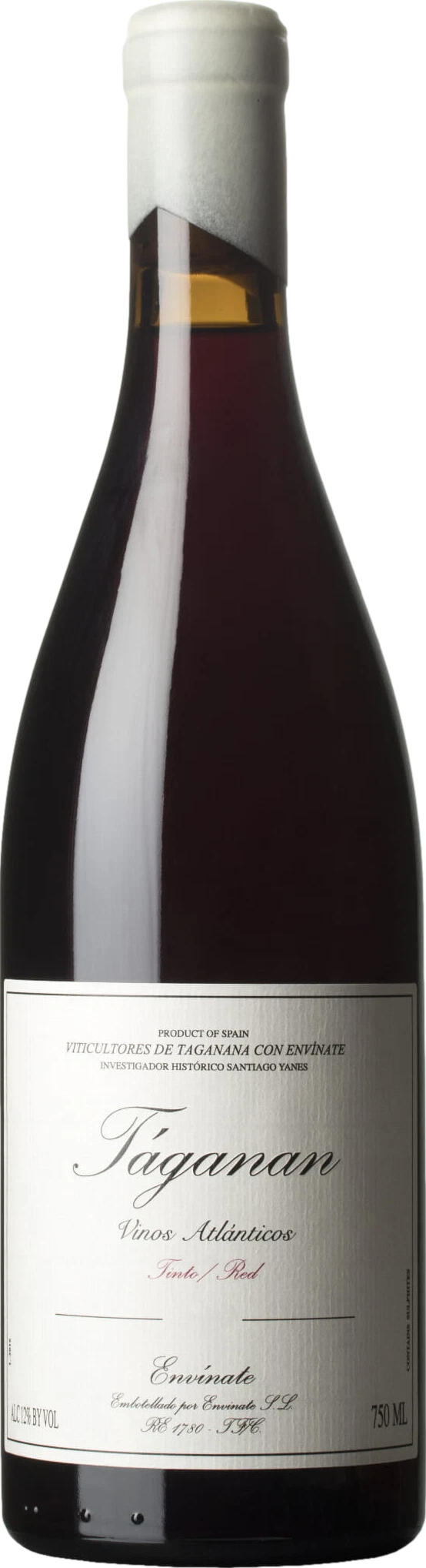
Cellar for 10 years or more. Decant for up to an hour before serving. This is a vibrant red wine, from a region rarely seen in the international wine scene. It is a blend of Listan Negro and native Canarian grapes, grown on volcanic rock in the wild Atlantic terroir of the Canary Islands. It is a gorgeous ruby red colour in the glass, and begins with scents of red berries, sour red cherry, and dried flowers, with undercurrents of pepper and spice. The concept for Envínate was formed in 2005, when four winemakers met at university in Alicante. Their project is split between the Canary Islands and Ribeira Sacra in the northwest of Spain, both locations that are heavily influenced by the Atlantic ocean. The team of four aim to create raw, honest wines that reflect these wild terroirs, and they achieve this by working solely by hand and leaving the vines untrained. The Taganán Tinto is juicy on the palate, packed with fresh acidity, silky tannins, and fruit-forward flavours. Sour red cherry and redcurrant come through at the beginning, followed by hints of dried rose petals and white pepper. The blend was harvested from vines between 50-150 years in age, and is an excellent partner for roasted lamb, pungent cheese, or rich fish dishes.
Price: £30.60 from 8wines UK
| Retailer | Price | |
|---|---|---|
| 8wines UK | £30.60 | Go to shop |
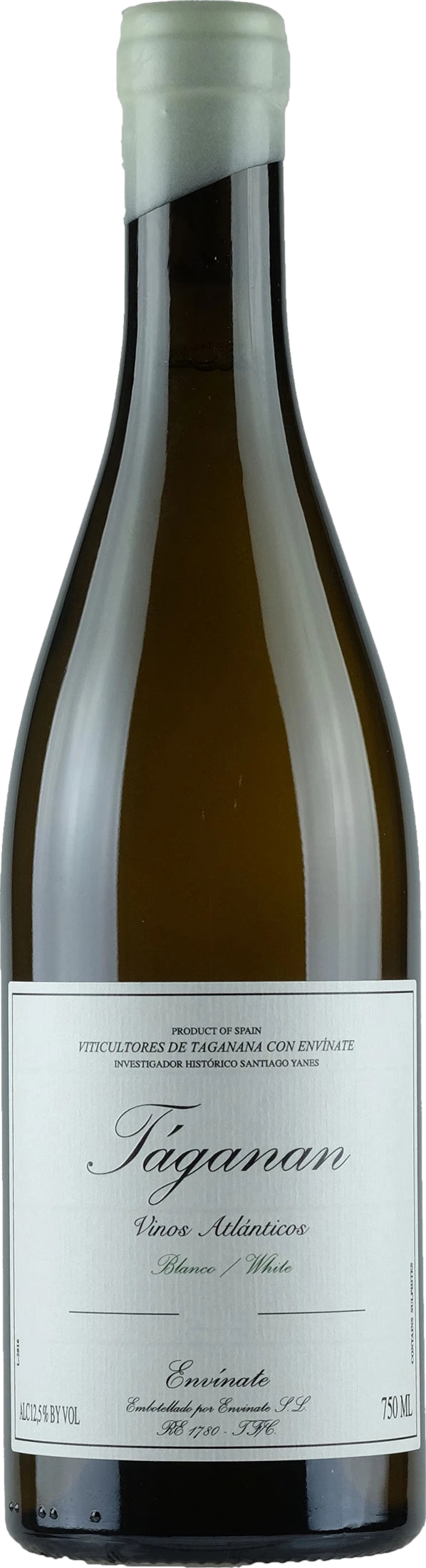
Drink it now or cellar for up to 8 years. No need to decant. Founded by four friends and winemakers Laura Ramos, Alfonso Torrente, José Ángel Martínez, and Roberto Santana, Envinate produces natural wines both in Galicia and the Canary Islands, working...
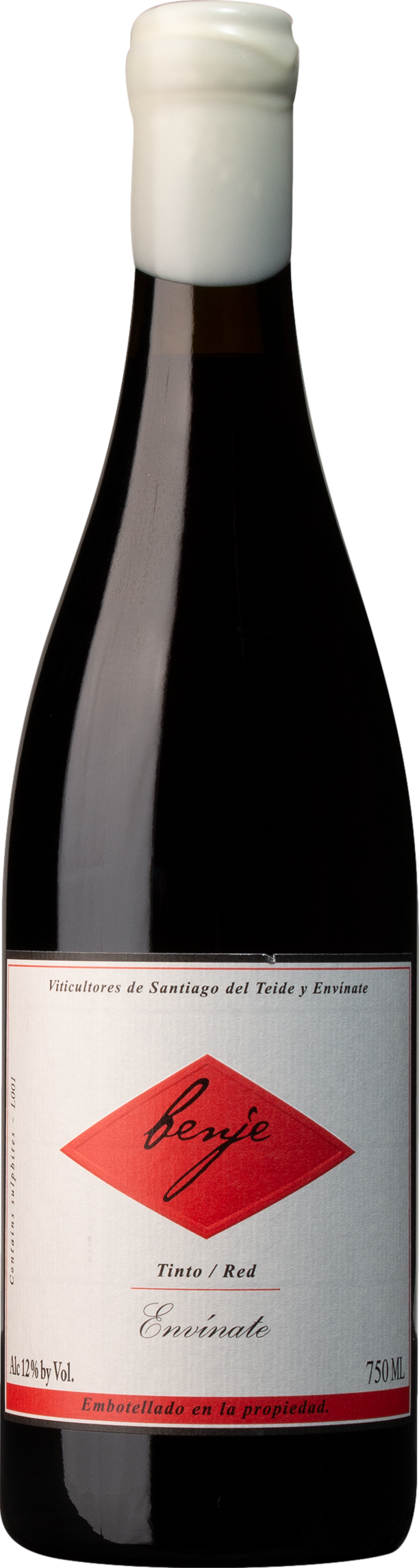
Drink it now or cellar for up to 10 years. No need to decant. Envínate is a young and dynamic project started by 4 friends after finishing their enology studies, to produce local wines, highly appreciated by the public and critics for their excellent...
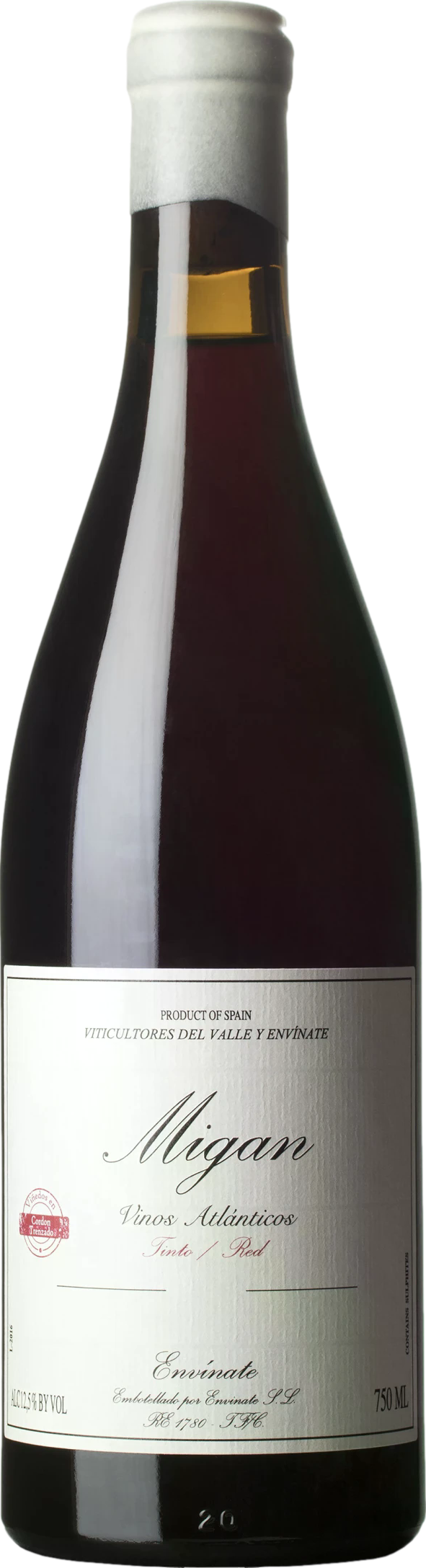
Cellar for up to 10 years. Decant for up to an hour before serving. This supple red wine is crafted from 100% Listan Negro, a rarer Spanish grape that primarily grows in the Canary Islands. It was sourced from two separate parcels, both over 100 years...
|
|