
|
|
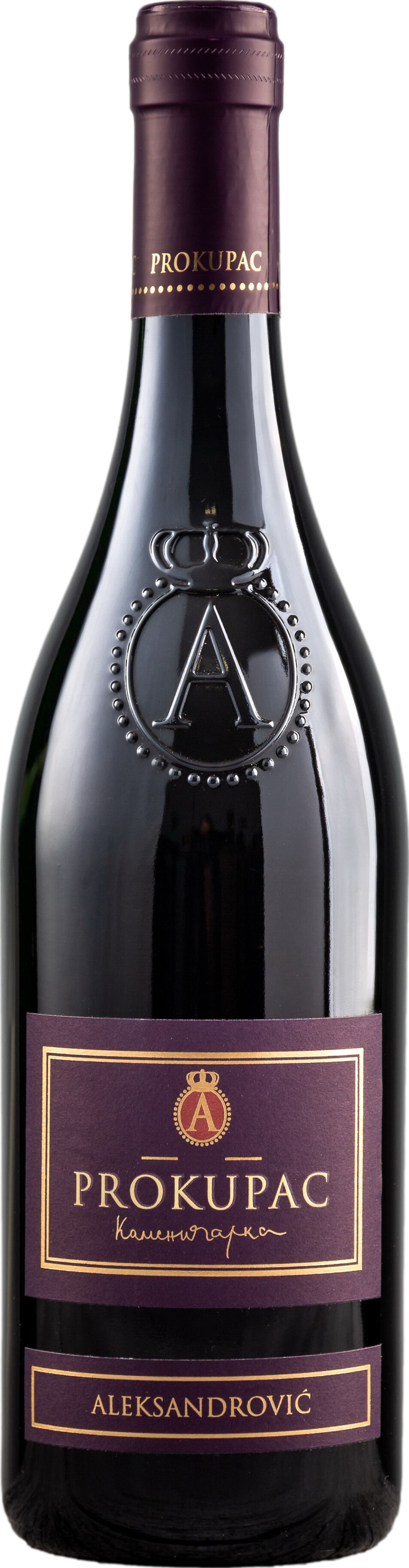
Drink it now or cellar for up to 10 years. No need to decant, but best to open it an hour before service. Located in the Sumadija wine region, the Aleksandrovic family winery has a centuries-old winemaking tradition. Today, the company owns around 75 hectares of vineyards spread across the villages of Vinča, Ježevac, and Bokanjae on the Oplenac hill, and a modern winery built in 2000. Here, they produce world-famous wines based on indigenous and international grape varieties. The Prokupac grapes are sourced from the low-yield company vineyards and are selected and collected by hand. After the harvest, fermentation takes place in wood and the finished wine then rests in barrels for 1 year and an additional 5 months in the bottle, before entering the market. This elegant wine has a brilliant color with intense ruby-red tones. On the nose, it reveals a fragrant and broad aromatic profile with notes of currant, plum, and cherry, some scents of candied orange, and baking spices. On the palate, it is juicy and concentrated, soft and balanced. It has velvety tannins, an elegant mineral vein, and a good body. The finish is long and gently spicy. Try it with roast lamb or duck served with red fruit sauces.
Price: £17.50 from 8wines UK
| Retailer | Price | |
|---|---|---|
| 8wines UK | £17.50 | Go to shop |
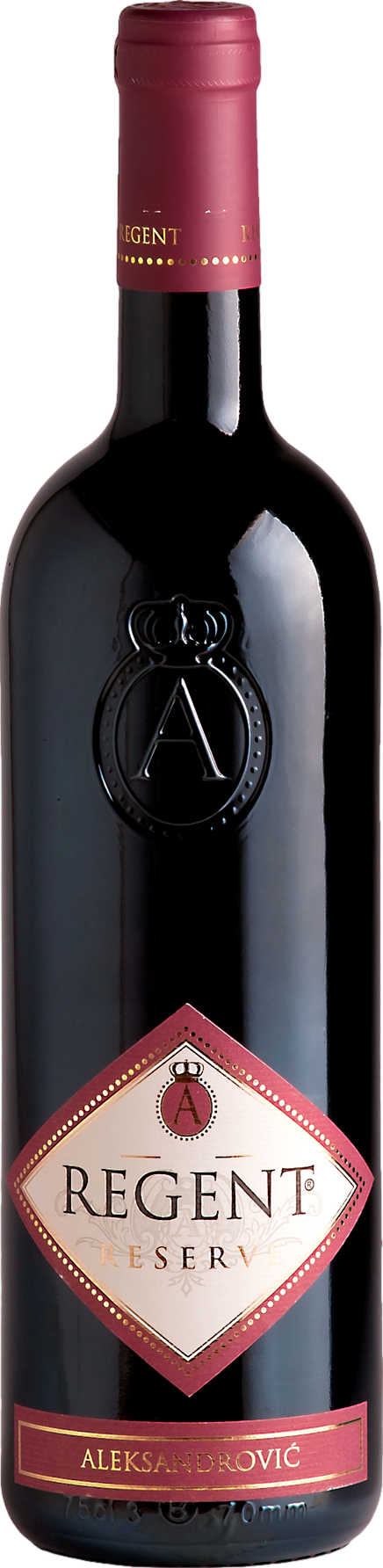
Drink it now or cellar for up to 15 years. It is recommended to decant it for an hour. Aleksandrovic is a Serbian family winery located in the Sumadija region, in an area with a long winemaking tradition, called the Tuscany of Serbia, due to its beautiful...
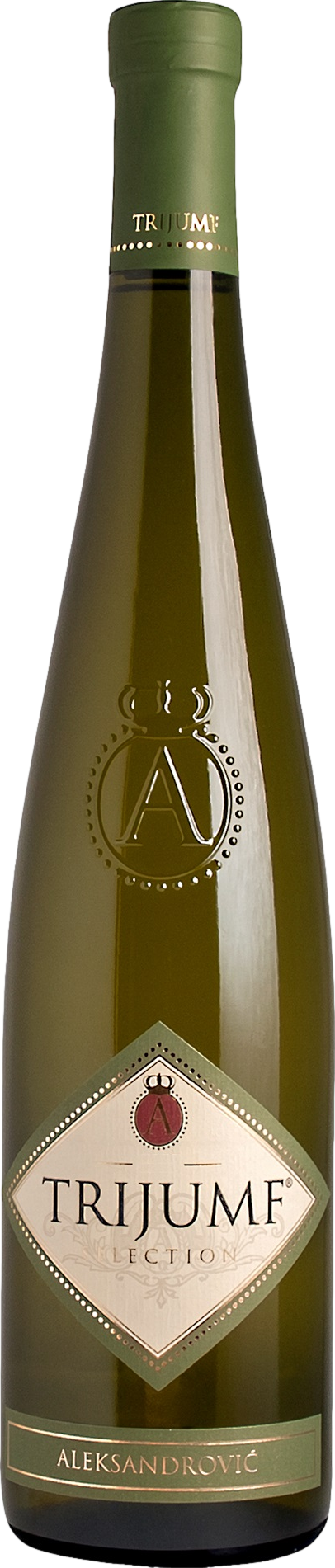
Drink it now or cellar for up to 10 years. No need to decant. The Aleksandrović family winery has a long winemaking tradition. The great-grandfather of the current owners, Milos Aleksandrović, participated in the founding of the Vinča winemaking cooperative...
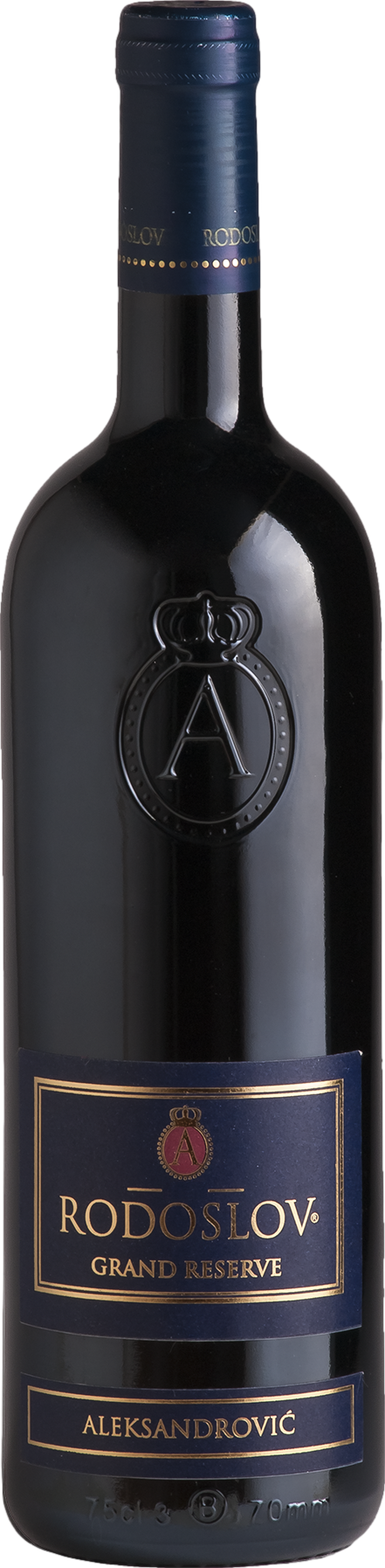
Drink it now or cellar for up to 25 years. It is recommended to decant it for an hour. With its long winemaking tradition, Aleksandrovic is one of the most renowned wineries in Serbia. Its vineyards extend over approximately 75 hectares on the Oplenac...
|
|