
|
|
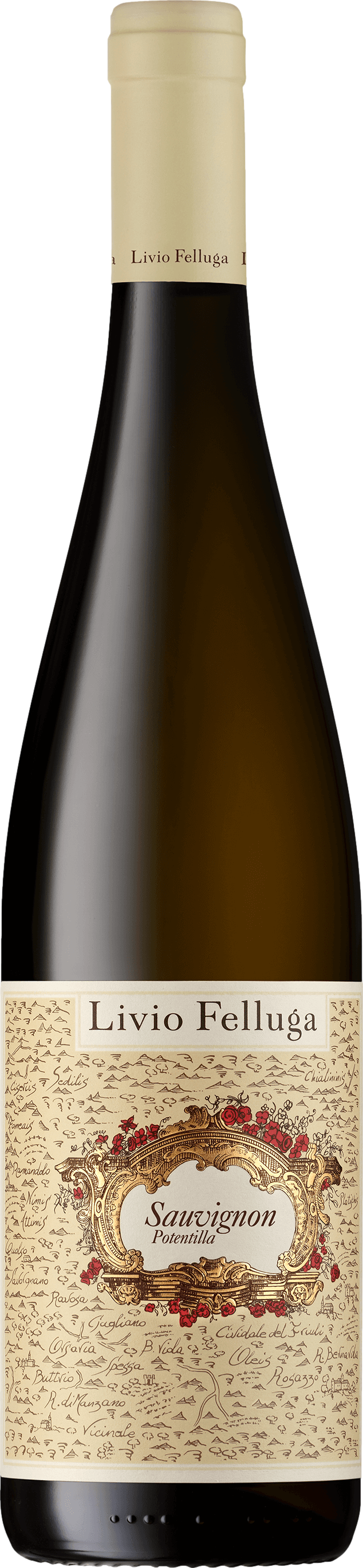
Drink it now or cellar for up to 8 years. No need to decant but best to open it half an hour before service. Livio Felluga is one of the big names in the Collio Goriziano area. His winery was founded after the Second World War and has since then been considered a real institution in north-eastern Italy. For this particular wine, the Sauvignon Blanc grapes are hand-picked from a vineyard that's approximately 50 years old, and it’s the result of a massal selection, which is basically choosing the best vines to keep the quality top-notch. The grapes are given a little skin time before being fermented in big 15-hectoliter barrels. After that, it's a 9-month resting session in barriques. This is what makes it all creamy and full of character. This wine reveals a clear, bright color that's got some straw-yellow and green tints to it. On the nose, Potentilla Cru is intense and fruity with notes of pineapple, mango, passion fruit, a hint of white peach, and lemon custard. When you take a sip, it's fresh, lively, and fruity, with a smooth structure that's super elegant. It lingers, finishing with tropical fruit vibes that make you wanna take another sip. It's a match made in heaven with seafood, shellfish, and pasta with courgettes and prawns.
Price: £34.02 from 8wines UK
| Retailer | Price | |
|---|---|---|
| 8wines UK | £34.02 | Go to shop |

Enjoy it now or cellar for a few years. No need to decant before serving. Livio Felluga Winery has its origins in the 1930s when its namesake moved to the rolling Alpine foothills of Rosazzo. Livio began replanting the vines here, laying the foundation...
Drink it now or cellar for up to 5 years. No need to decant. Founded after the Second World War, Livio Felluga is located in the Cormons area, in the province of Gorizia, and is considered one of the wineries that played a fundamental role in the rebirth...

Cellar for up to 4 years. Serve chilled. The Livio Felluga estate is blessed with both a remarkable history and incredible wines. The family has been making wine for five generations, first in Istria and then after the turmoil of the First World War in...
|
|