
|
|
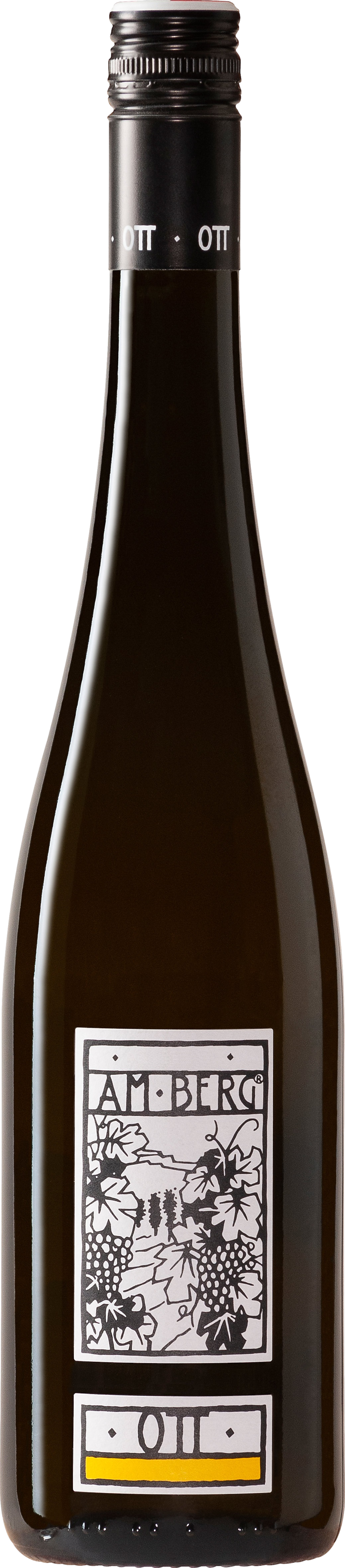
Drink it now or cellar for up to 5 years. No need to decant. Winemaker Bernhard Ott has earned the moniker Mr Veltliner for his commitment to this classic Austrian grape on his family’s estate which dates back to 1889. Bernhard took over in the 1990s and was quick to make his mark by focusing on biodynamic agriculture and avant-garde winemaking. In total he farms 40 hectares in the Wagram region of Lower Austria planted on loess soils rich in minerals and fossils which help produce impressively pure and elegant wines. Grapes for his Am Berg cuvee come from Bernhard’s vineyards in Engabrunn, Feuersbrunn and Grossriedenthal along with carefully-selected purchased grapes. Bernhard crushes the bunches whole and leaves them for six hours of skin contact before fermentation in stainless steel tanks. This helps to extract plenty of delicate flavors and aromas from the grapes. In the nose you’ll find all the classic Gruner Veltliner tells from zingy citrus and green apple to more elusive hints of white pepper and herbaceous notes. A sip reveals a bold streak of acidity that refreshes and cleanses along with a light body and elegant finish with lingering tones of bright lemon and pink grapefruit.
Price: £13.60 from 8wines UK
| Retailer | Price | |
|---|---|---|
| 8wines UK | £13.60 | Go to shop |
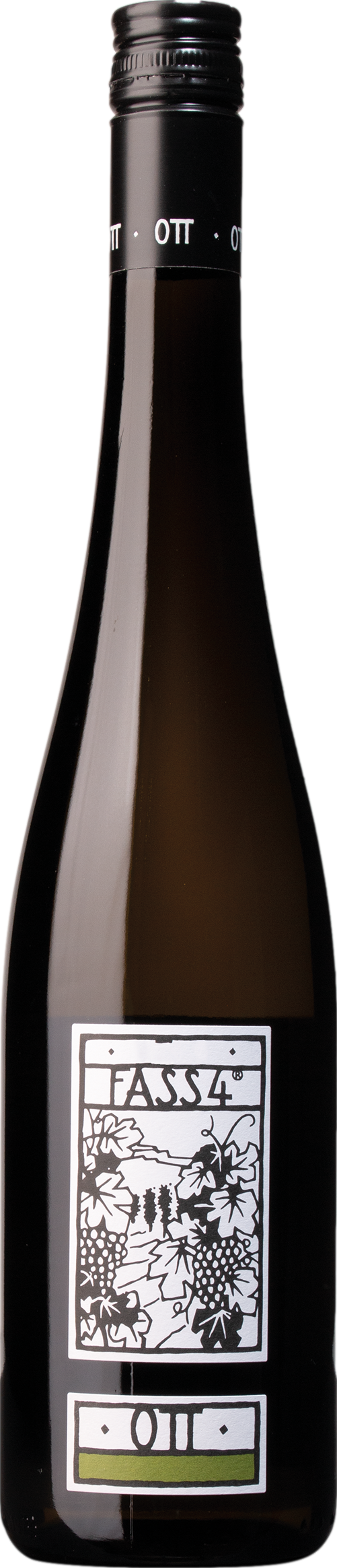
Drink it now or cellar for up to 10 years. No need to decant. Located in the Wagram region of Austria, the Bernhard Ott winery extends over 40 hectares. The vineyards are mainly planted with Gruner Veltliner grapes from which wines of excellent complexity...
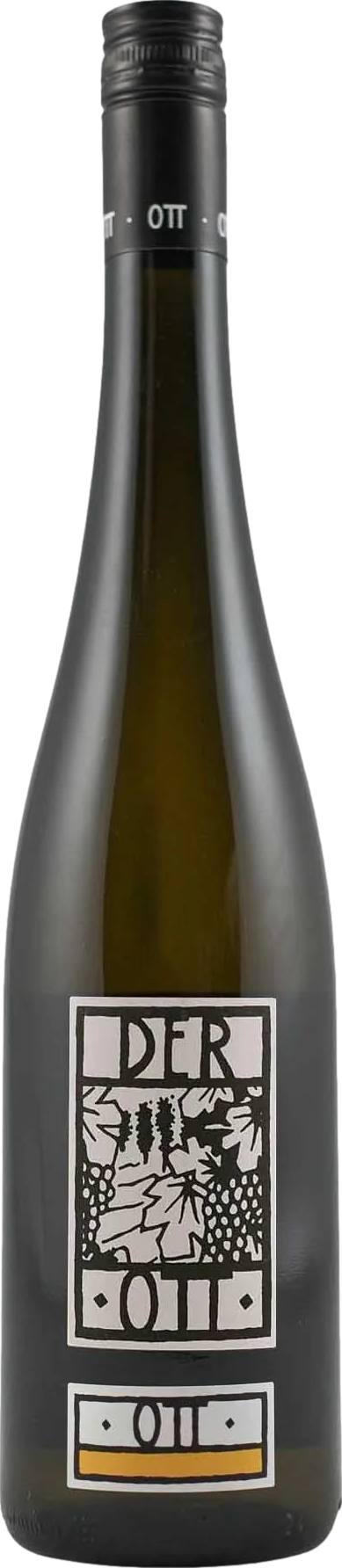
Drink it now or cellar for up to 8 years. No need to decant. Known by the nickname Mr Veltliner, Bernhard Ott has been at the helm of the family winery for around 30 years. The estate extends over 40 hectares of vineyards grown biodynamically for the...
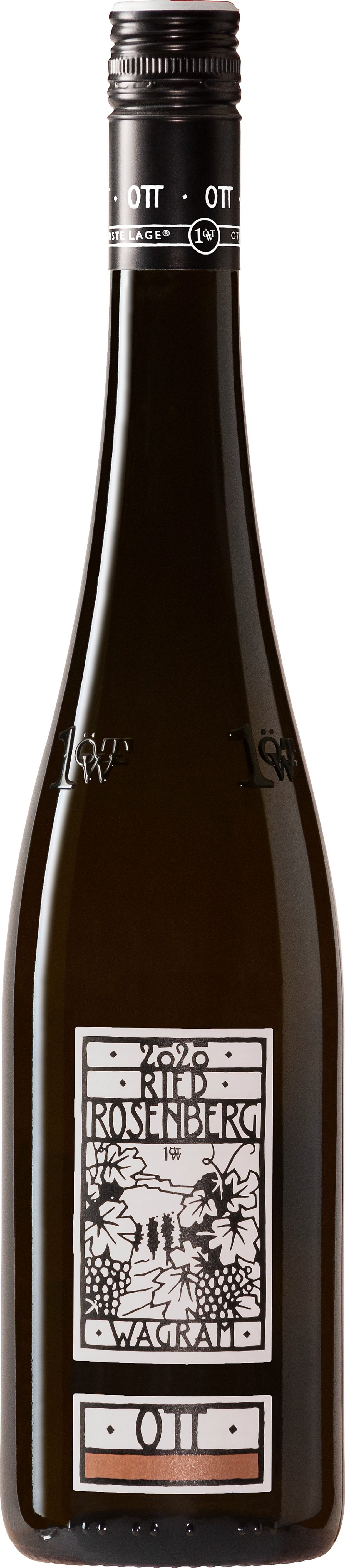
Drink it now or cellar for up to 10 years. No need to decant. Elected Winemaker of the Year by Falstaff magazine in 2008, Bernhard Ott has been at the helm of the old family business since the 1990s. The estate, founded in 1889, extends over 40 hectares...
|
|