
|
|
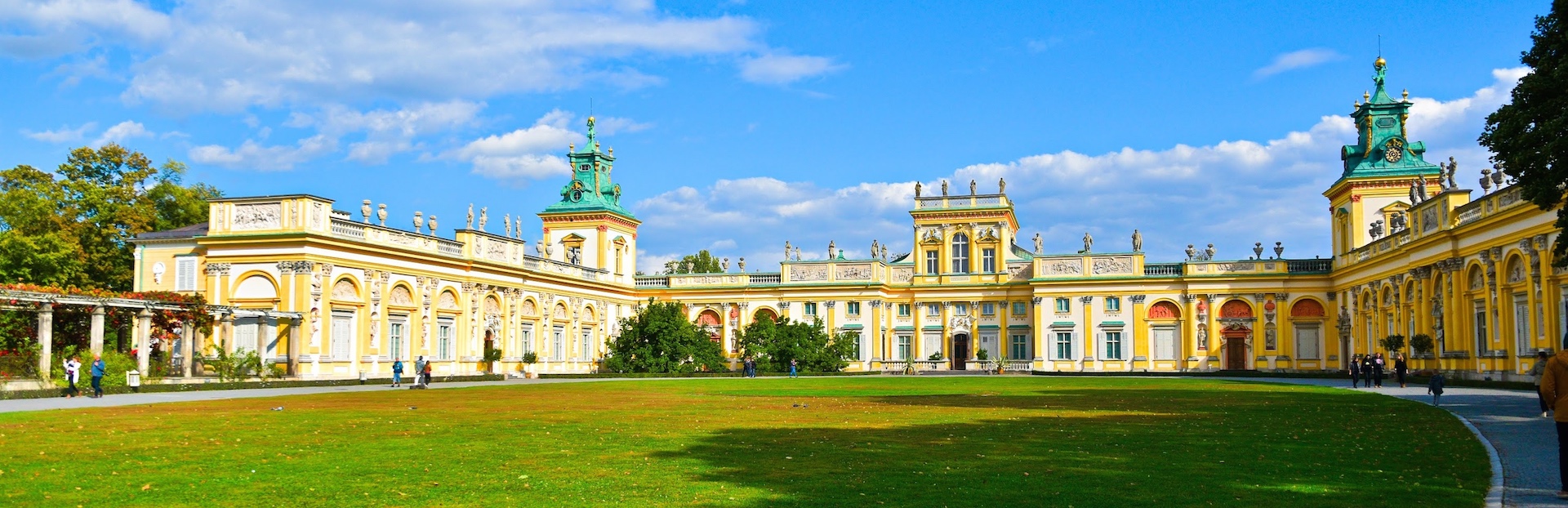
Wilanów Palace is Poland's "Little Versailles", the home of its greatest King, Jan III Sobieski, a legendary man of many virtues, talents and interests. Classically educated, he was a writer, a formidable warrior, a leader, statesman, gardener, and patron of the arts, science and culture. He was a man who loved his family, God and country and sought peace to develop and uplift his people during his golden era. Yet when peace was threatened, he was a man with a talent for war. For the next 60 minutes, we will explore the Palace complex together, learn its story and reveal secrets discovered by archaeologists and researchers only a few years ago. There is so much to know about the early history of Wilanów, its majestic landscape, its artistry and deep symbolism, and the legendary battle that shaped European history and established King Jan as a truly heroic figure; the man that embodies the spirit of the Polish nation and inspires his people today. King Jan loved nature, which is why he built his home here, away from busy Warsaw's Royal Palace. Come to know for yourself the natural beauty he cared about so much; walk the paths he walked, see what he saw as we look out over the landscapes he loved, cherished and celebrated during his life. To see images from the tour please go to this link: https://photos.app.goo.gl/a7VMJjNHeWiueHfy6
Price: £7.99 from VoiceMap
| Retailer | Price | |
|---|---|---|
| VoiceMap | £7.99 | Go to shop |

The Royal Łazienki is the legacy of the last monarch of Poland, King Stanisław August Poniatowski. It was his summer residence. Now, Lazienki Park is Warsaw's biggest public park, and its most beautiful. Over the next 60 minutes we explore this incredible...

The gardens to the west of the Palace of Versailles are unparalleled. On a simple walk, you can meditate in the embrace of 200,000 trees, admire the artistry of 221 sculptures and marvel at the spectacle of 55 fountains shooting water as high as seven...

Back in the 1600s, Londoners would gather to witness a very particular form of public entertainment. Hushed crowds would wait in anticipation for an offender to meet their end at the hands of an executioner. On the 30th January 1649, it was the reigning...
|
|