
|
|

Step inside the world of the immortal ‘Bard of Avon’ as I take you on a journey back to 16th Century Stratford. On this walking tour, I’ll tell you all about Shakespeare's birthplace and what it was like around the time he was born. We’ll explore the places connected to Shakespeare’s life as a young boy and find out what motivated him to leave his hometown at just 21. On this tour we’ll walk the full length of Stratford’s River Avon, taking in the peace, serenity and beauty while we attempt to uncover the secrets behind his plays. We’ll pass The Royal Shakespeare Theatre on our way to see the church where Shakespeare was baptised and is buried today. There you’ll hear about the curse he planted on his own tomb! Other highlights on this tour include stories from the playwright’s school days and walking past his first and last homes. If you’re a big Shakespeare fan (which I assume you are!) this is the ideal tour for you. Please allow up to 30 minutes for our walk, and extra time if you want to go inside any of the attractions I mention along the way. The tour ends just a stone’s throw from where it starts so anything you see won’t be too far away to visit once you’re done. You’ll also learn about my favourite places to eat and drink towards the end of the tour.
Price: £11.99 from VoiceMap
| Retailer | Price | |
|---|---|---|
| VoiceMap | £11.99 | Go to shop |

**Please note this tour is a fictional story and not a historical tour** It is the 7th of April 1590 and Anne Pedersdotter has been condemned to burn at the stake, convicted a witch. Accompany her on her last walk through 16th century Bergen as she recounts...

A 16th-century engineering marvel will guide our way from the river to one of Prague's most picturesque parks. On our tour, I will show you some hidden signs of the tunnel below our feet. You will find a beer garden with a perfect view over the old town,...
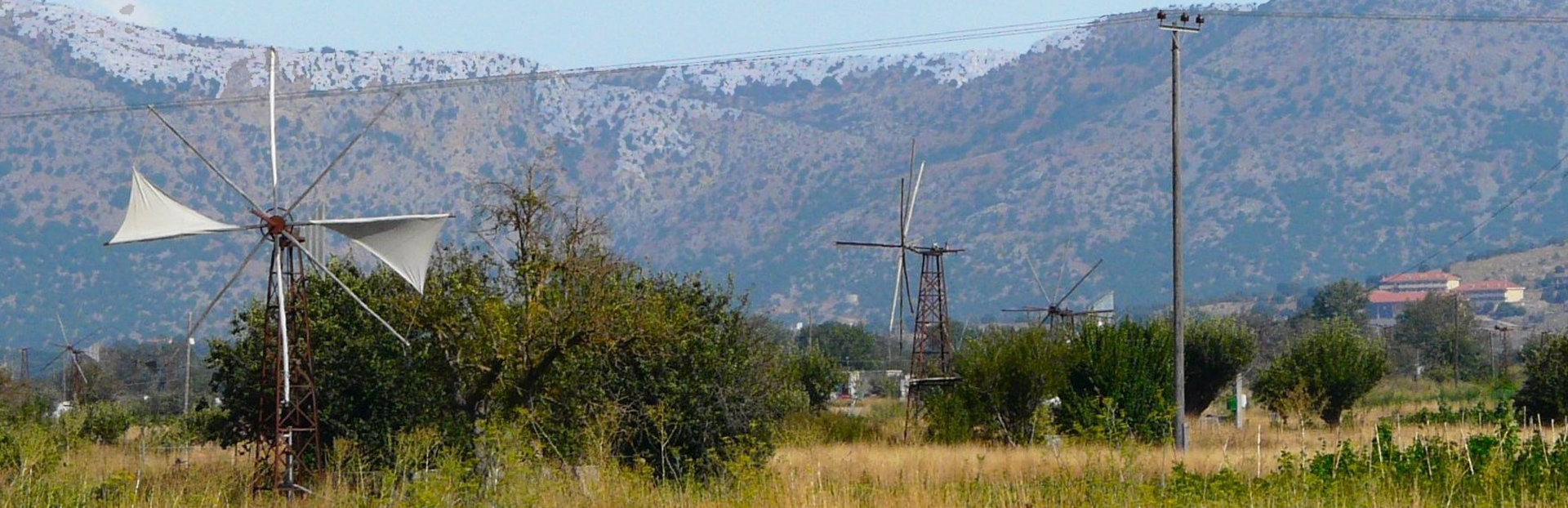
The Lassithi province’s enchanting beauty is best contained on its famous plateau, where the Venetians once declared it a forbidden area on penalty of amputation. That is until a famine led to windmill-based farming and its settlement. On this driving...
|
|