
|
|
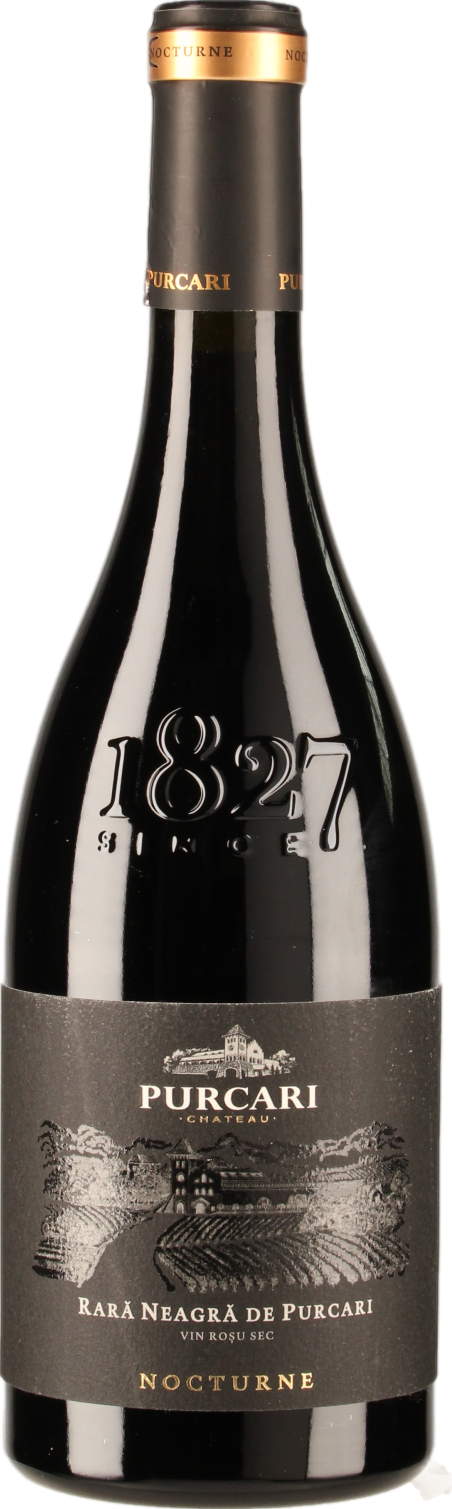
Cellar for 20 years. Decant for an hour or more before serving. A beautiful ruby colour in the glass, this is a stunning wine made exclusively from a rare Moldovan grape: Rara Neagra. It begins with a deep fruity nose, wafting with hints of blackberry, blackcurrant, and plum, alongside tobacco, coffee, and oak. Nocturne is Chateau Purcari’s latest range of high-quality wines. The grapes for this one were harvested in the dead of night, to preserve their quality and structure. Chateau Purcari is Moldova’s premier winery, founded as early as 1827 when it was granted the title of first official winery in Bessarabia, Moldova’s predecessor. The winery is famed for being a favourite of Queen Elizabeth I, its use of indigenous grapes, and its similarities to Bordeaux wine. The two locations are located at a similar latitude, and Purcari soils are remarkably similar to those in Bordeaux. This Rara Neagra is dry and delicate in the mouth, wrapping the tongue in finely grained tannins. You can discover rich notes of black fruit, leather, oak, and black pepper. Harvesting at night retains high levels of acidity, which lends excellent structure to this age-worthy red. It is ideal for pairing with roasted lamb, mushroom risotto, or a selection of cheese.
Price: £14.45 from 8wines UK
| Retailer | Price | |
|---|---|---|
| 8wines UK | £14.45 | Go to shop |
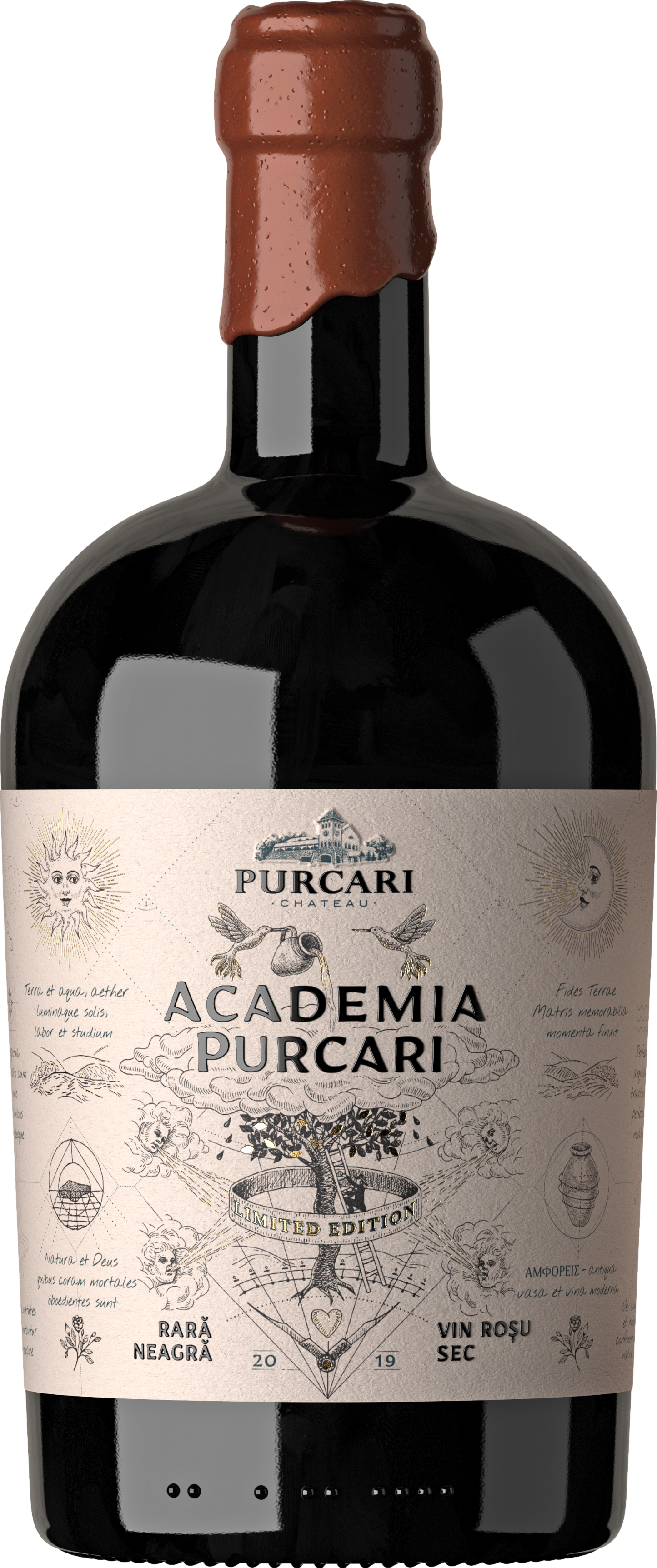
Drink it now or cellar for up to 8 years. No need to decant. Located just 30 km from the Black Sea, Chateau Purcari has a long history as a winery dating back to 1827. It was the Russian Emperor Nicholas I, through a special decree, who recognized the...
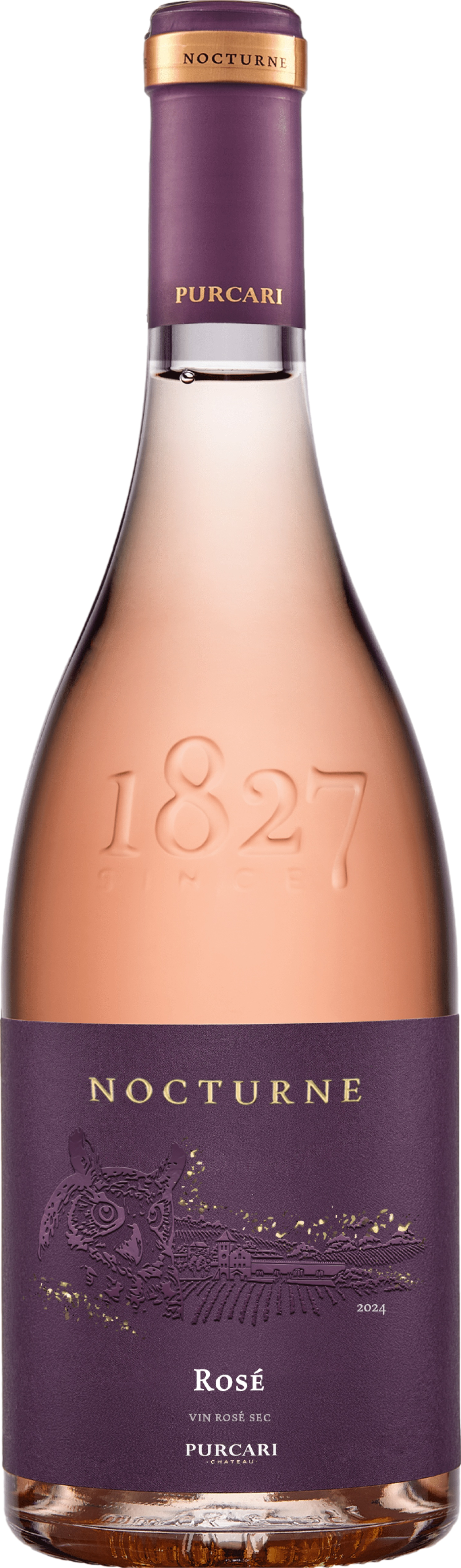
Drink it now or cellar for up to 5 years. No need to decant. The prestigious Chateau Purcari has a long tradition that dates back to the 18th century when French settlers recognized the similarities in soil and climate between the area surrounding the...
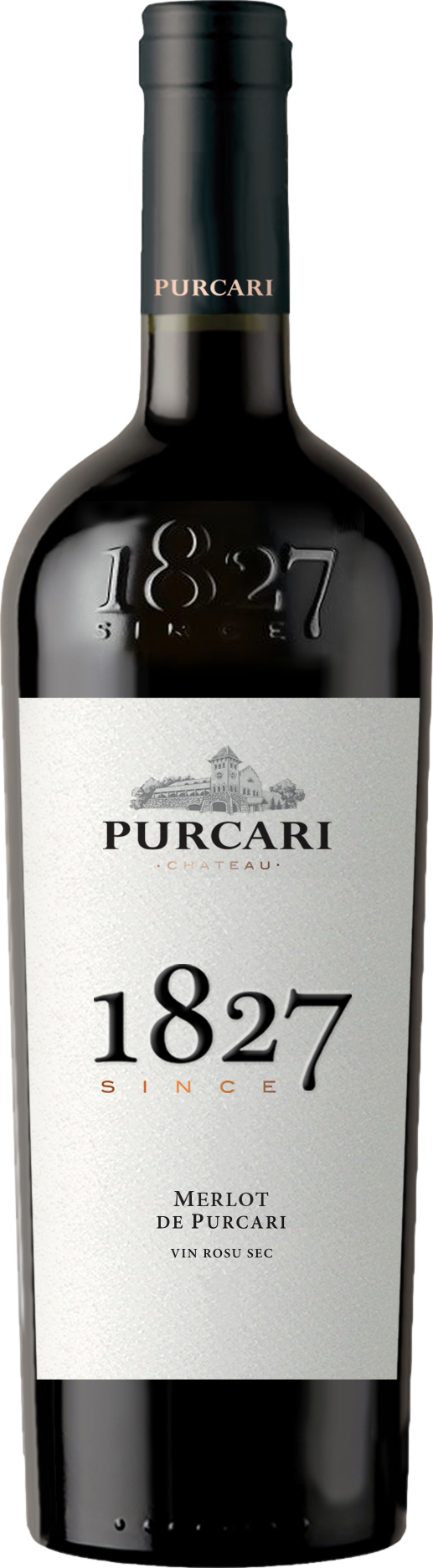
Cellar for up to 5 years. No need to decant before serving. The oldest and most respected winery in Moldova, the history of Chateau Purcari stretches back to an official decree released by Tsar Nicolas I in 1827. The estate enjoyed a golden age in the...
|
|