
|
|

Drink it now or cellar for up to 10 years. No need to decant, but best to open it half an hour before service. Originally built in the 12th century, Chateau Mukhrani is a renowned Georgian winery with a centuries-old tradition. It was Prince Ivane Mukhranbatoni, upon his return from a trip to Bordeaux in the late 1800s, who planted the first vines with French and local varieties. The estate was later abandoned following phylloxera and was revived in 2002 when it underwent a complete renovation. Today, Chateau Mukhrani produces exceptional quality wines from indigenous and French varieties under the guidance of winemaker Patrick Honnef. Chateau Mukhrani Khvanchkara is a semi-sweet wine produced from a blend of Aleksandrouli and Mujuretuli grapes, endemic Georgian varieties. In the glass, it reveals an intense and bright ruby color. Its aromatic profile is broad with notes of red fruits such as ripe raspberries, strawberries, and cherries and light hints of wood and nutty fruit. On the palate, it is round and delicate, with a good balancing acidity, fine tannins, and a velvety texture. It has a medium-light body and a good fruit concentration that make it perfect for meat dishes with fruity sauces, and with poultry. It is also excellent with fruit salads and red fruit tarts.
Price: £25.48 from 8wines UK
| Retailer | Price | |
|---|---|---|
| 8wines UK | £25.48 | Go to shop |
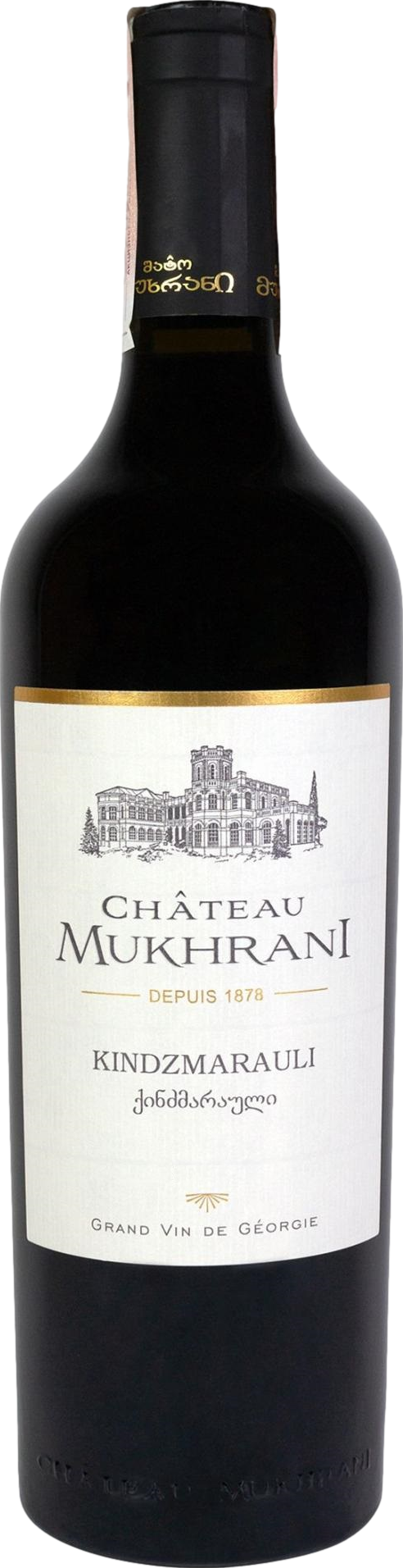
Drink it now or cellar for up to 10 years. No need to decant, but best to open it half an hour before service. Widely regarded as one of Georgia’s most renowned wineries, Chateau Mukhrani is located in the Kartli wine region of western Georgia. It has...
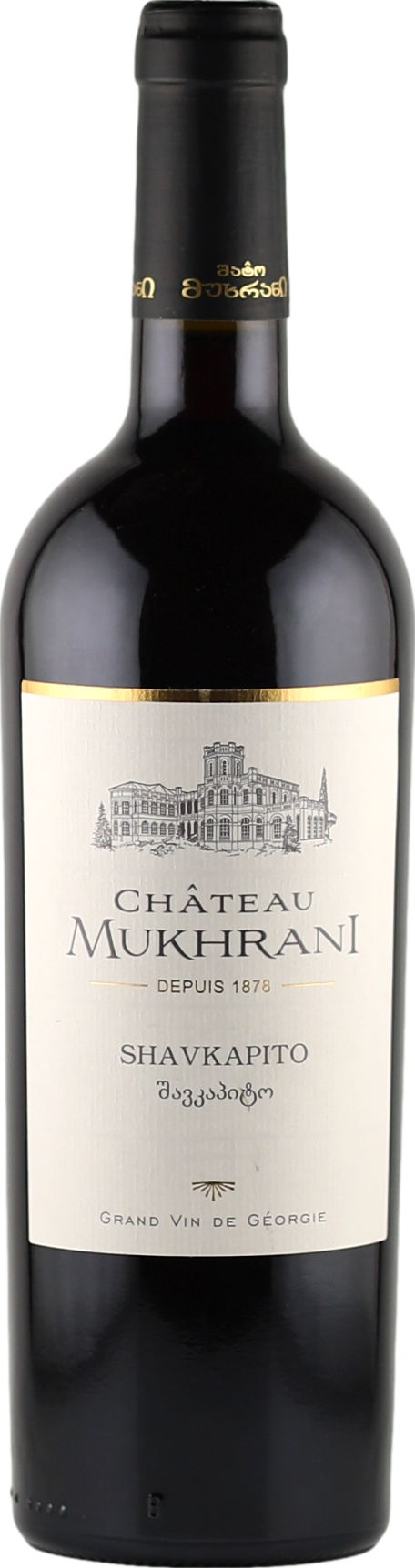
Drink it now or cellar for up to 15 years. No need to decant, but best to open it an hour before service. With a long history and tradition, Château Mukhrani is widely considered one of the most prestigious wineries in Georgia. Its construction dates...
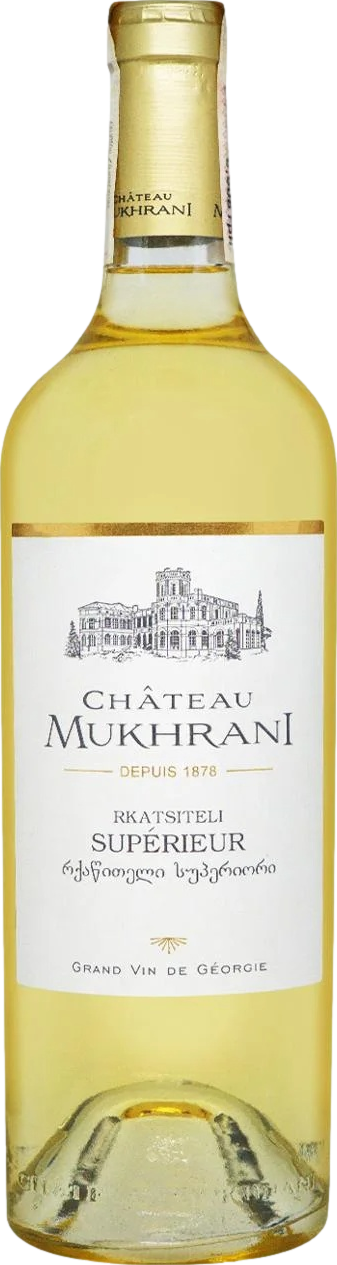
Drink it now or cellar for up to 10 years. No need to decant it. Château Mukhrani is an ancient Georgian estate, located about 50 km from Tbilisi, whose winemaking activity began in the late 1800s. The property was then abandoned at the time of phylloxera...
|
|