
|
|
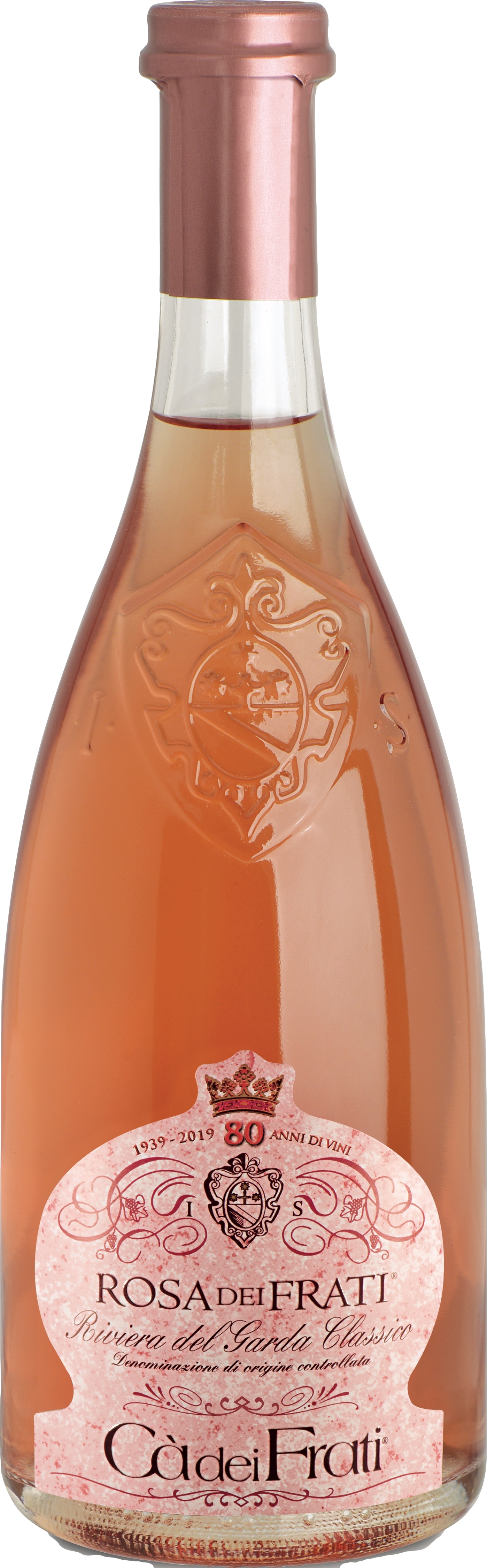
Cellar for up to 4 years. Serve chilled. This gorgeous pale pink rosé is composed of classic indigenous varieties including Groppello, Marzemino, Sangiovese and Barbera grown close to the shores of Lake Garda. Fruit is sourced from two estate vineyards, 'I Frati' in Sirmione and 'La Tur' in Desenzano, which have top quality chalky, sand and lime soils. In the winery the must is macerated on the skins for a short period to extract colour before being vinified and aged in stainless steel tanks to lock in vibrancy and natural flavours from the grapes. The nose opens with enchanting notes of redcurrants, cherries and ripe strawberries while the first sip reveals a vibrant, refreshing acidity, light body and clean finish. The lively flavour profile makes this great to serve as an aperitif by the pool or in the garden. It also pairs really well with salmon, roasted chicken and fish dishes served in a creamy sauce. Ca dei Frati has been owned by the Dal Cero family for generations, although the property itself dates back to at least 1782. Over the past couple of decades the family have devoted themselves to expanding the estate and improving quality. They now work around 160 hectares of vines and are considered the top producer in all of Lugana.
Price: £12.72 from 8wines UK
| Retailer | Price | |
|---|---|---|
| 8wines UK | £12.72 | Go to shop |
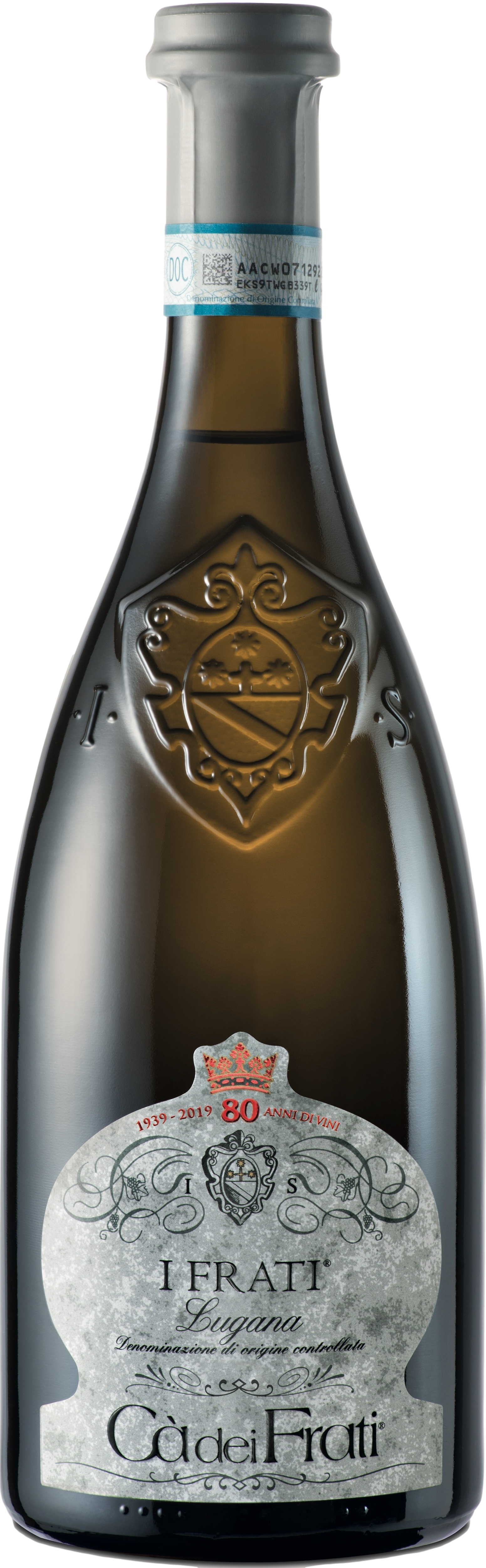
Cellar for up to 4 years. Serve chilled. The history of Ca dei Frati dates back at least as far as 1782 with the modern day winery established here in 1939 by Felice Dal Cero on the southerly shores of Lake Garda. The same family still runs the winery...
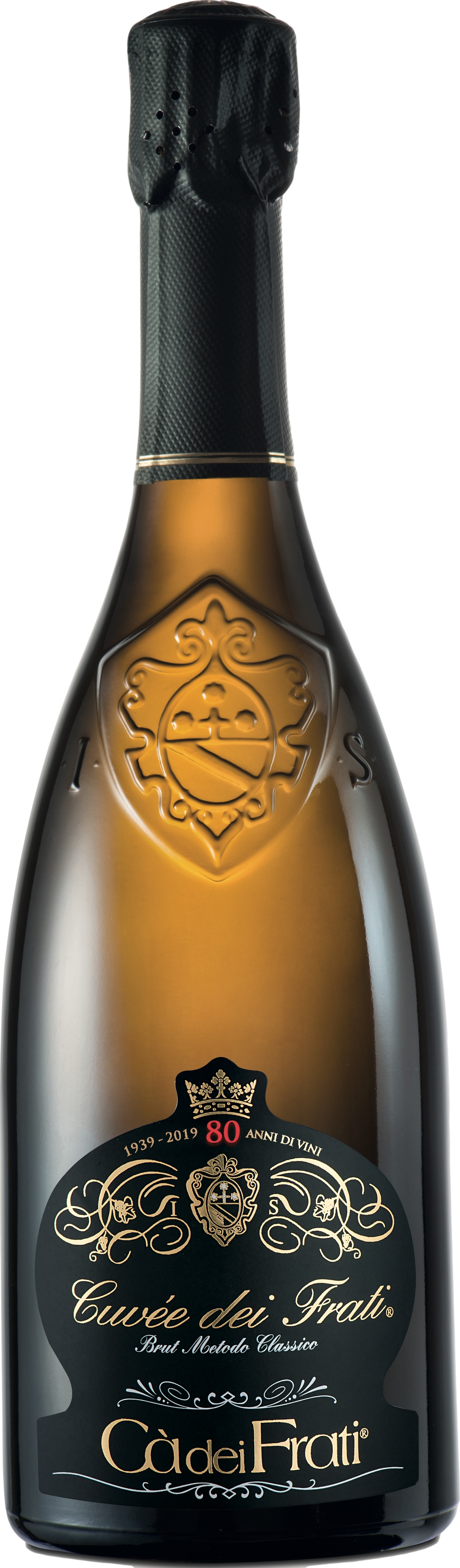
Cellar for up to 5 years. Serve chilled. This characterful sparkling wine is predominantly composed of Turbiana, a local grape commonly grown on the shores of Lake Garda, as well as a small proportion of Chardonnay. Fruit is sourced from two estate vineyards,...
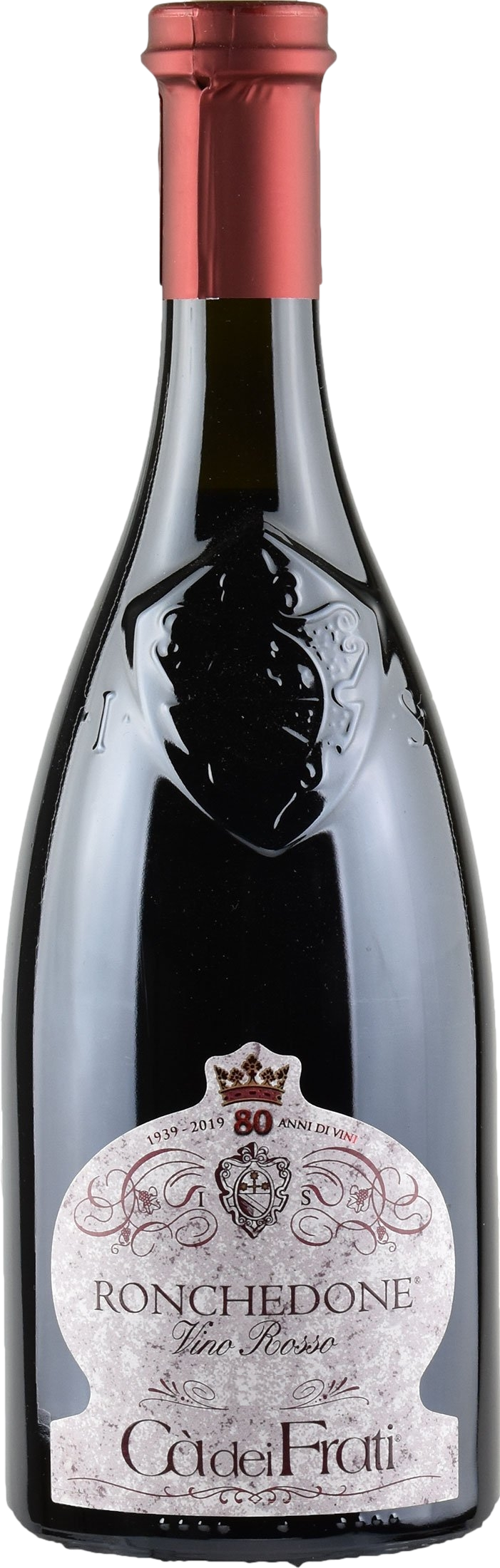
Cellar for up to 8 years. No need to decant before serving. The house and cellar of Ca Dei Frati was first mentioned as early as 1782, but the modern winery dates back to 1939 when Felice Dal Cero spotted the winemaking potential of the charming Lugana...
|
|