

Our OM4 fibre optic cables are constructed with 50æm core and 125æm cladding in both LC and SC variations. The OM4 range offer a higher bandwidth and greater distance over OM3 cables.

Our OM4 fibre optic cables are constructed with 50æm core and 125æm cladding in both LC and SC variations. The OM4 range offer a higher bandwidth and greater distance over OM3 cables.
Our OM4 fibre optic cables are constructed with 50æm core and 125æm cladding in both LC and SC variations. The OM4 range offer a higher bandwidth and greater distance over OM3 cables.
Our OM4 fibre optic cables are constructed with 50æm core and 125æm cladding in both LC and SC variations. The OM4 range offer a higher bandwidth and greater distance over OM3 cables.
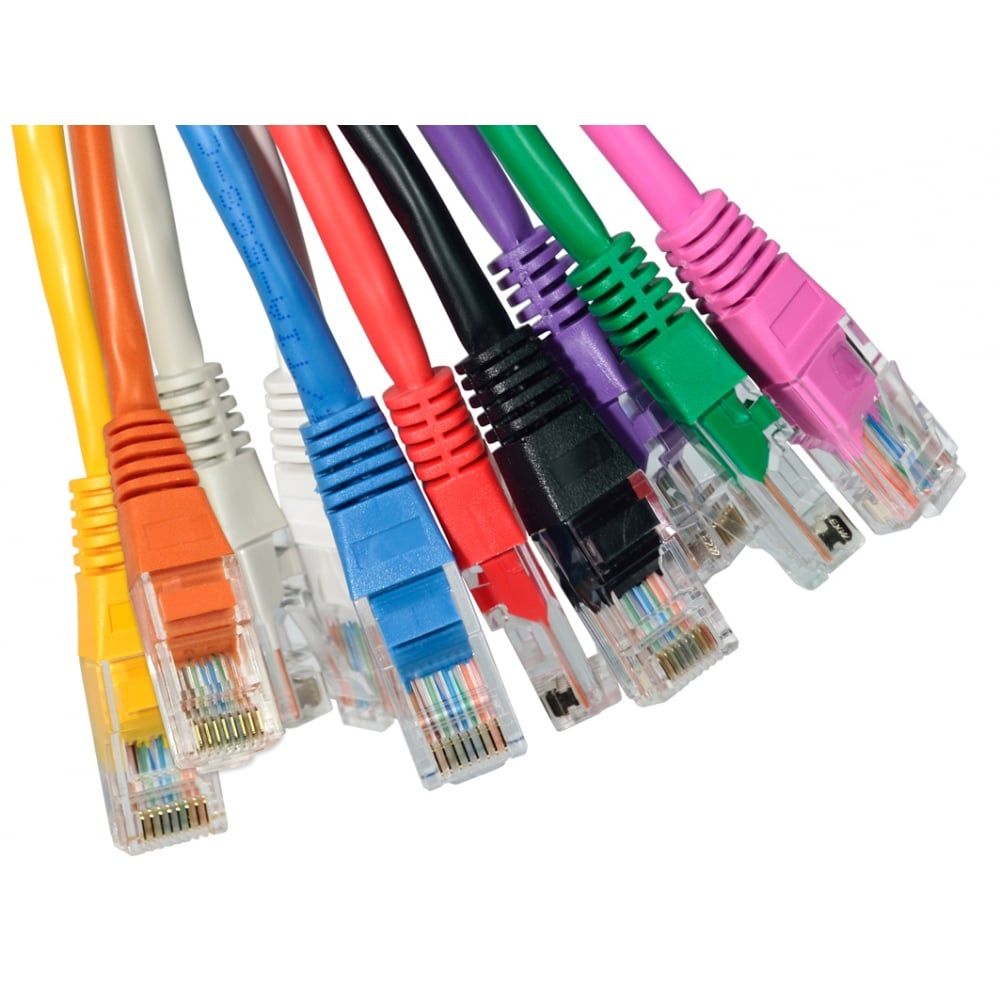
Category 5e cable is a twisted pair high signal integrity cable type often referred to as Cat5e. Most cables are unshielded, relying on the twisted pair design for noise rejection, some are shielded. Often used in computer networks such as Ethernet.

Category 5e cable is a twisted pair high signal integrity cable type often referred to as Cat5e. Most cables are unshielded, relying on the twisted pair design for noise rejection, some are shielded. Often used in computer networks such as Ethernet.

Category 6 cable is a twisted pair high signal integrity cable type often referred to as Cat6. Most cables are unshielded, relying on the twisted pair design for noise rejection, some are shielded. Often used in computer networks such as Ethernet.

This range of switch box allows two/four users to share one peripheral or one user to share two/four peripherals. Based on the manual switching principle, it?s as easy as selecting the required letter your device is on. It is the perfect solution for...
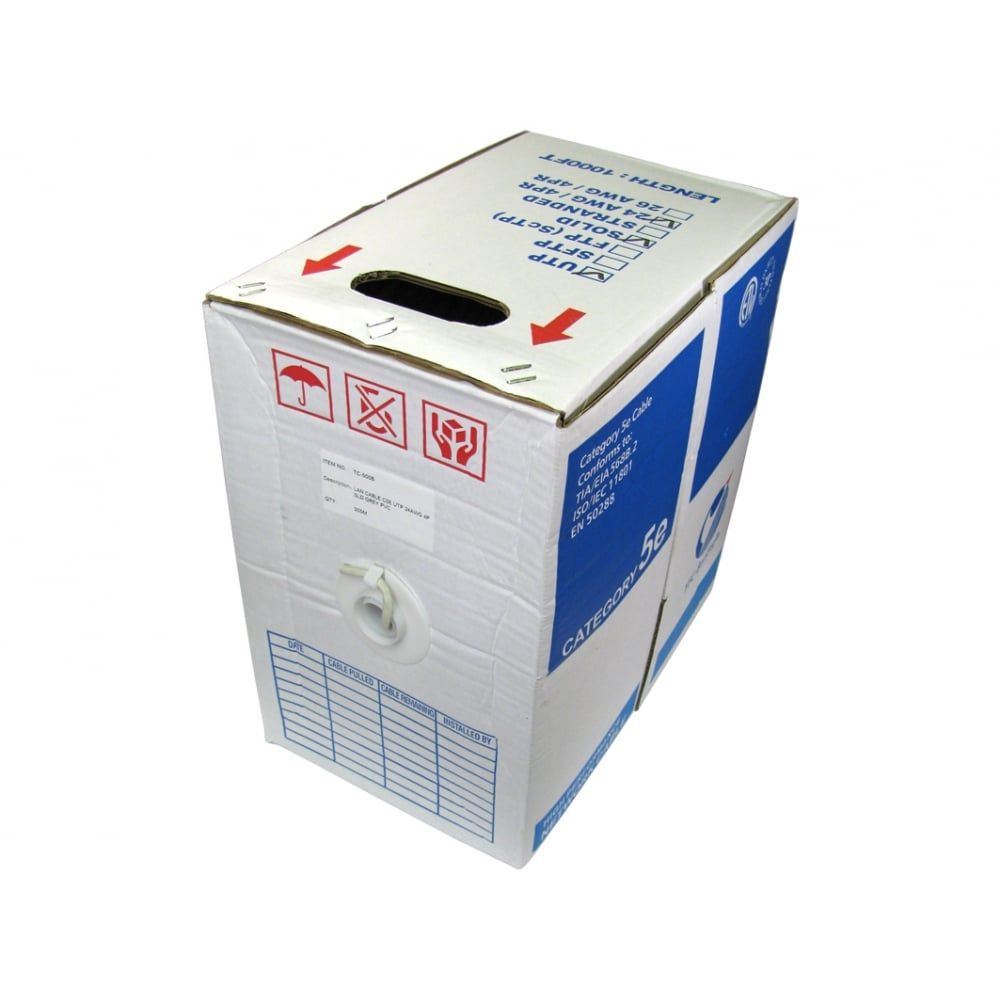
Category 5e cable is a twisted pair high signal integrity cable. Most cables are unshielded, relying on the twisted pair design for noise rejection, some are shielded. Often used in computer networks such as Ethernet.
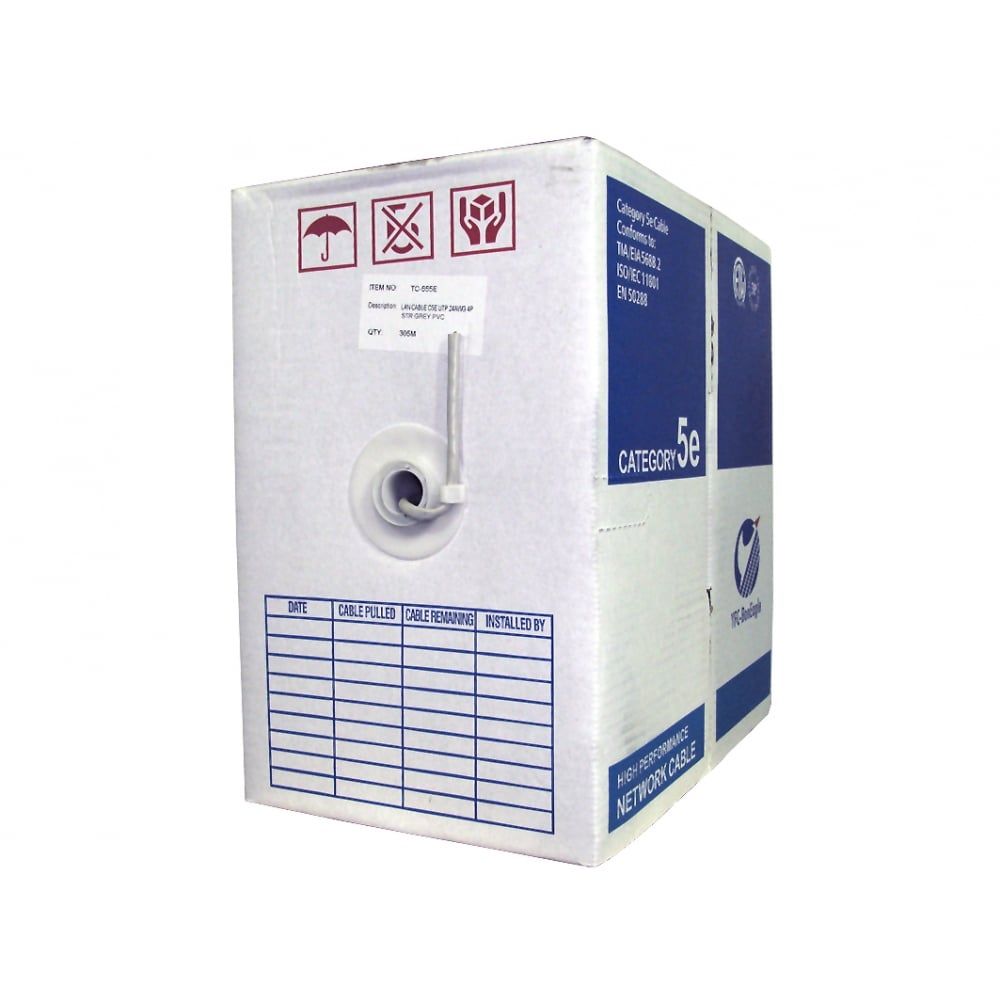
Category 5e cable is a twisted pair high signal integrity cable type often referred to as Cat5e. Most cables are unshielded, relying on the twisted pair design for noise rejection, some are shielded. Often used in computer networks such as Ethernet.
|
|